
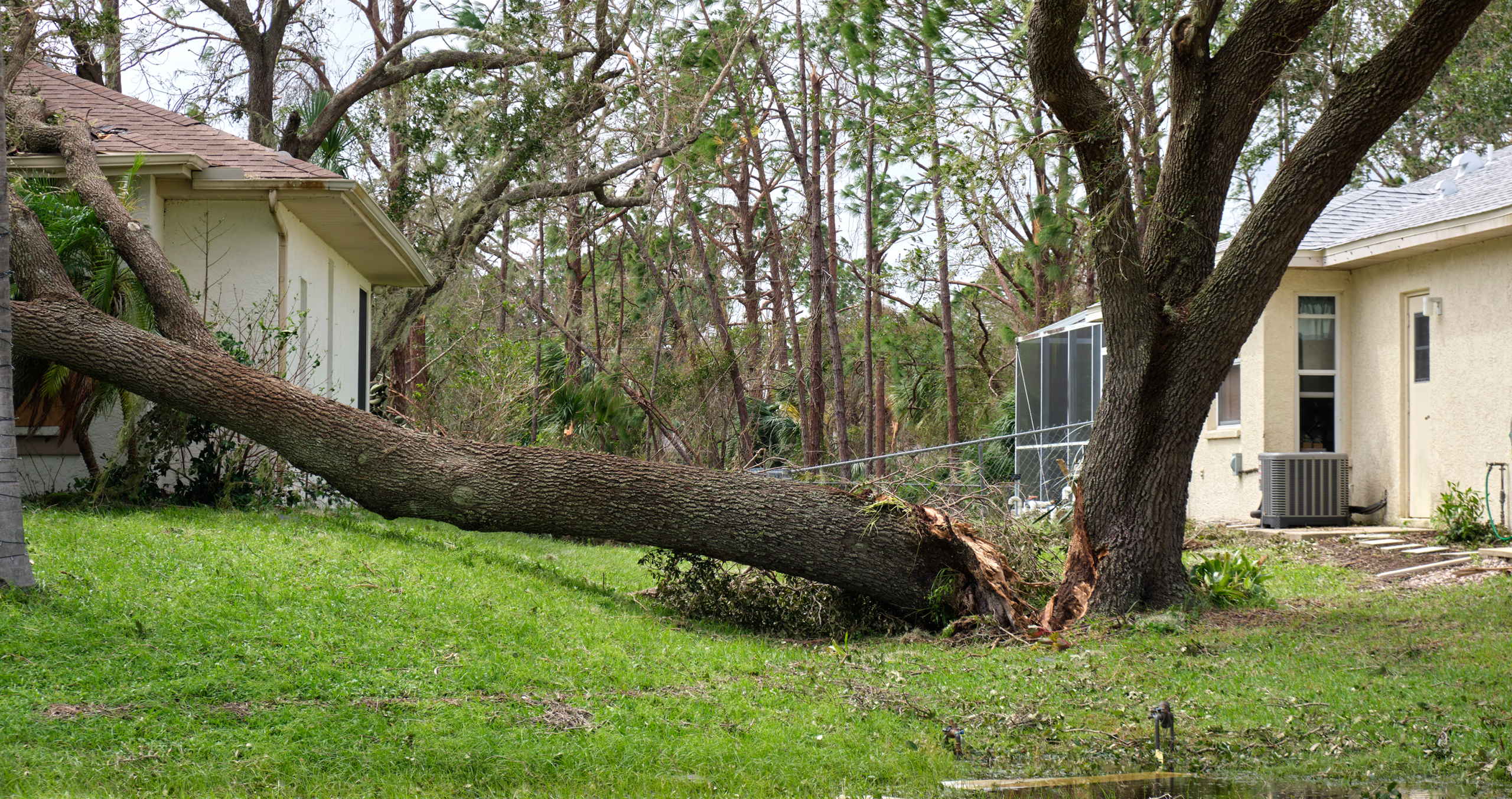
Storm damage has a weird way of hitting all at once. One minute it is loud wind and sideways rain, and the next minute we are getting calls about shingles in the yard, water coming in around a window, gutters twisted off the fascia, and a tree leaning too close for comfort. If you are in Middle Tennessee, you already know the pattern. The weather can turn fast, and when it does, your house is suddenly the thing taking the punch.
At T&H Construction, we handle storm damage restoration as a full process, not just a patch job. That means we show up when the problem is urgent, stabilize what needs to be stabilized, and then move into permanent repairs that are structurally sound and built to last. We lean on engineering precision and disciplined project management because storms do not just damage what you can see. A lot of the real trouble is hidden behind siding, under shingles (which could potentially be metal roofs), or inside framing that got wet and started to shift.
The first hours matter more than most people think
When you call me after a storm, my first goal is to stop things from getting worse. Water is the big enemy. Even a small leak can soak insulation, stain drywall, swell trim, and create a mold problem before you realize what is happening.
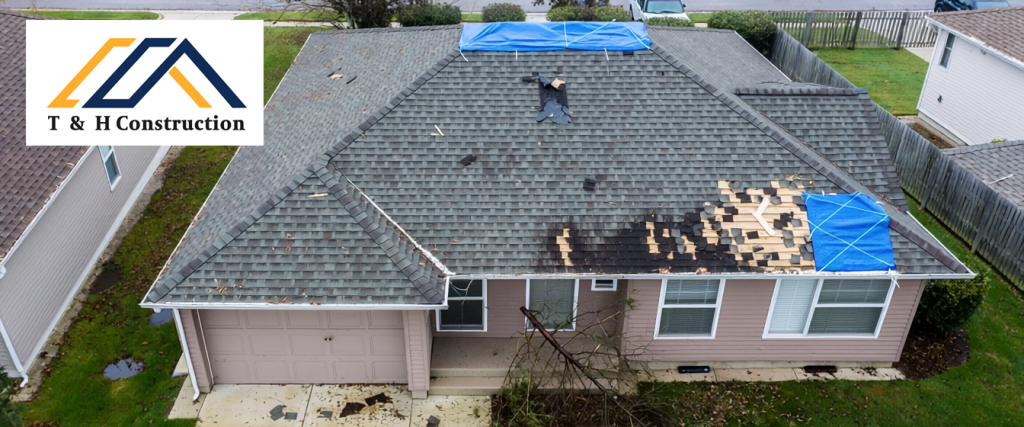
So we start with a quick but careful assessment. We look at the roofline (considering whether standing seam metal roofs might be beneficial), vents, flashing, ridge caps, gutters, downspouts, soffit and fascia, window wraps, and any spots where wind-driven rain likes to sneak in. If you have missing shingles or lifted shingles (again pondering if a metal roof might be more resilient), punctures, or impact marks from debris or hail, we document it. If there is active leaking, we prioritize temporary protection right away.
Emergency response for me usually includes things like tarping and securing vulnerable areas (such as those fencing areas), clearing hazards, and identifying safety risks that homeowners should not have to guess about. If a limb is on the roof or a section is sagging due to structural issues (possibly made worse by inadequate roofing materials), we treat it like the serious structural issue it might be. We would rather be conservative early than optimistic and wrong.
In addition to roofing repairs, we also provide services related to accessories that may have been damaged during the storm.
Our inspection is about the whole system, not one surface
A storm can damage roofing and still leave you with problems in the attic, walls, and even the foundation perimeter if drainage gets overwhelmed. We look at the building as a system, because that is how storms hit it.
Here is what we commonly check during a storm damage inspection:
- Roof and attic: shingle loss, flashing separation, soft decking, wet insulation, ventilation issues, nail pops, and signs of water trails
- Exterior envelope: siding cracks, loosened panels, damaged house wrap, window and door leaks, trim failure, and fascia pull away
- Water management: gutters, downspouts, splash blocks, grading, erosion near the foundation, and overflow patterns that may have soaked lower walls
I also take photos and notes as we go because clear documentation makes everything easier later, especially if you are dealing with an insurance claim. We keep it practical. What is damaged, where it is damaged, and what it will take to fix it correctly.
Temporary fixes are not “good enough,” they are a bridge
Some contractors treat emergency work as the end of the job. We do not. A tarp is not a roof, and a quick caulk line is not a long-term waterproofing plan. Temporary protection is simply the bridge between the storm and the real repair.
If we tarp a roof (which may include metal roofing), we do it to reduce exposure and buy us time to plan the right repair scope. If we board an opening, we do it to keep water and pests out while we schedule the permanent fix. The goal is control. Control the water, control the risk, control the timeline.
And honestly, it helps homeowners breathe again. When you can sleep without listening to dripping, everything gets clearer.
It’s important to remember that temporary fixes are just that – temporary. They should be viewed as a bridge to more permanent solutions. For instance, if we’re dealing with soft decking due to water damage, we need to address this issue properly rather than just covering it up with a tarp.
Moving into full repair, the right way
Once your home is stabilized, we shift into restoration planning. This is the part where craftsmanship matters, but so does coordination. Most storm damage projects involve multiple trades and a lot of sequencing. Roofing may come first, then fascia and gutters, then interior repairs, then paint. Or it might be the other way around, depending on moisture levels and access.
At T&H Construction, we manage the project like a professional build because that is what it is. Storm restoration is still construction. It needs clean scopes, correct materials, and the right steps in the right order.
A typical full repair plan may include:
- Roof repair or replacement based on damage extent, age, and decking condition
- Flashing and ventilation corrections so the roof system performs the way it should
- Gutter and drainage repairs to keep future storms from turning into water intrusion
- Siding, trim, and exterior carpentry to restore the envelope and prevent leaks
- Interior restoration like drywall, insulation, baseboards, flooring, and paint, if water got inside
- Final walkthrough and punch list so nothing gets missed and everything feels finished
If structural components were affected, we treat that with extra care. Wet framing, shifted trusses, compromised sheathing, or soft subfloor can become expensive problems if someone just covers it up. We would rather open up the right areas, verify the condition, and repair it with confidence. That is where engineering precision matters, even on residential jobs. We want your house to be solid, not just pretty.
Working with insurance without the runaround
A lot of homeowners feel stuck when insurance is involved. We get it. You are trying to protect your home, and suddenly you are also managing paperwork, adjuster visits, and confusing scope language.
I help by keeping documentation tight and communicating clearly about the repair scope. If there is obvious storm-related damage, like what you can find here, we make sure it is shown and described properly. If there are code-related items that come into play during repair, we flag them early so the project does not get stalled halfway through.
I also set expectations in plain language. Insurance may cover certain items and not others, and sometimes a home has pre-existing wear that becomes part of the conversation. My job is to keep your project moving and keep the repair quality high, regardless of the administrative noise around it.
What we want you to remember after the storm
If there is one thing we wish every homeowner knew, it is this: the cheapest quick fix is usually the most expensive choice later. Storm damage is rarely isolated. Water travels. Wind finds weak points. Materials fail in chains, not in single spots.
So if you think you have storm damage, do not wait for the stain on the ceiling to prove it. Let me check it out, stabilize what needs attention, and map out repairs that actually restore the home, not just cover the symptoms.
Ready to get your home back to normal?
If your roof is leaking, your siding is torn up, or you just do not feel confident about what the storm did to your home, call us at T&H Construction in Middle Tennessee. We provide storm damage restoration services from emergency response all the way through full repair, with disciplined project management and structurally sound solutions you can trust. Call (615) 562-0847 and let’s get your home protected, repaired, and fully put back together.

