I get why cheap metal roofing grabs attention. Roofing is expensive, and when you see a price that looks way lower than the rest, it’s hard not to wonder if you just found the “smart” option. I’ve had a lot of homeowners in Middle Tennessee ask me the same thing in different ways. Is cheaper metal roofing actually fine? Are we just paying for a brand name with the higher quotes? Or is the low price hiding problems that show up later, right when you least need them.
The truth is, cheap metal roofing can be a smart savings move in a very specific situation. But a lot of the time, it turns into a costly mistake that hits you through leaks, noisy panels, loose fasteners, oil canning, premature rust, or constant repairs after a few seasons of wind and weather. And that’s not even touching the headaches that show up when a “good deal” install skips the details that actually make a metal roof perform like it’s supposed to.
At T&H Construction, we’re a full-service construction company. We focus on structurally sound solutions built with engineering precision and disciplined project management. Roofing is one of those trades where the structure and the details matter more than the sales pitch. So let’s talk through what “cheap” usually means, where the real risks are, and how I’d think about metal roofing if you’re trying to protect your home and your budget at the same time.
What “cheap metal roofing” really means (and what it usually includes)
When someone says “cheap metal roofing,” they’re usually talking about one of three things:
- The metal itself is lower grade, thinner, or has a weaker coating system.
- The roofing system is simplified, with fewer components and shortcuts in trim, underlayment, ventilation, and flashing.
- The install price is low because labor is rushed, details are skipped, or the crew simply doesn’t specialize in metal.
Sometimes it’s a mix of all three.
The tricky part is that a metal roof can look great on day one even when corners were cut. Metal is clean, straight lines look sharp, and from the curb it can feel like you upgraded your whole home. The problems show up later. Usually, after thermal movement, wind events, heavy rain, freeze-thaw cycles, or just time.
The biggest cost driver: gauge, coating, and the “real” life of the panel
Not all metal roofing is the same. Two roofs can both be called “metal” and still perform totally differently.
Gauge (thickness) matters, especially in wind and heat
Lower-cost panels are often thinner. Thinner metal can be more prone to waviness, denting, and oil canning. And it’s not just an appearance thing. When panels flex more than they should, fasteners and seams can take a beating over time.
Middle Tennessee gets real storms. We see heavy rains, strong winds, temperature swings, and the occasional hail. I’m thinking about how that roof is going to behave five, ten, twenty years from now, not just how it looks right after installation.
Coatings are where cheap roofs quietly lose the war.
The paint and coating system is a huge deal. Better systems resist fading, chalking, corrosion, and breakdown from sun exposure. Cheaper panels can look fine early on, then you start seeing uneven fading, rusty edges, and exposed metal in the spots that take the most water.
When that happens, homeowners start spending money in a way they didn’t expect. Touch up paint. Sealants. Replacement panels that don’t match. Repairs that keep coming back. That “cheap roof” price starts rising.
Exposed fasteners vs standing seam: the savings come with tradeoffs
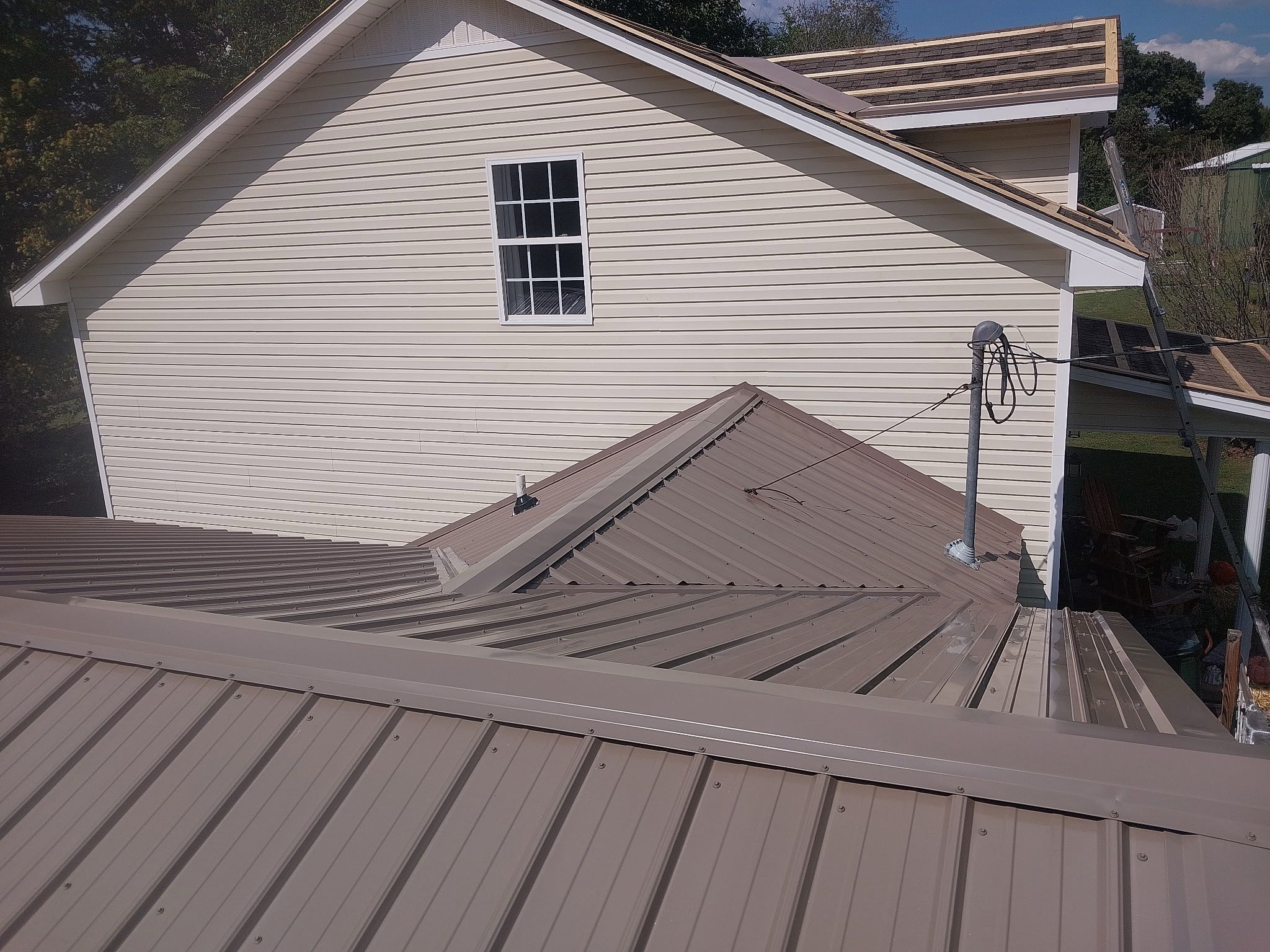
A lot of budget metal roofs are exposed fastener systems. They can be a valid option, but they have a reality you need to accept: the fasteners and washers are wear items.
Exposed fastener roofs rely on thousands of screw penetrations, and each one is a potential future leak point if it loosens, backs out, or if the washer dries and cracks. Thermal expansion and contraction can work those fasteners over time. Wind can rattle panels. After a few years, you may be chasing little issues that feel random, but they’re actually built into how the system works.
Standing seam systems typically cost more up front, but they hide fasteners and handle movement better when installed correctly. They’re also more forgiving in heavy rain conditions, and they usually deliver a more “finished” look.
If your main goal is the lowest initial cost, exposed fastener metal is where people usually land. My job is to make sure you understand what you’re buying and what you’re signing up for later.
The place cheap installs fail first: flashing, transitions, and penetrations.
If I could point to one area where I see the most problems, it’s flashing. Not the big obvious panels. The details.
Chimneys, pipe boots, valleys, skylights, wall transitions, ridge caps, gutters, and any spot where water changes direction. Water is relentless. It doesn’t need a big opening. It needs a small mistake and enough time.
Cheap roofing bids often reduce cost by treating flashing like an accessory instead of a system. Or they’ll reuse old flashings that were designed for shingles, not metal. Or they’ll depend on sealant, where the correct answer is a properly formed and mechanically secured flashing detail.
Sealant has its place. But sealant isn’t a plan. When a roof’s long-term performance depends on a bead of caulk staying perfect for years, that’s when you get the “metal roofs leak” stories that float around. Most of those stories come back to installation details, not metal as a material.
Underlayment and ventilation: the invisible stuff that protects the house
Homeowners rarely ask me about underlayment. They should, because it’s your second line of defense.
A cheap job may use the bare minimum underlayment, or the wrong type for the slope and design of the roof. In some cases, I’ll see installs where ice and water protection is missing in critical areas, or where the underlayment isn’t properly lapped and sealed. If wind-driven rain gets under the metal, the underlayment is what keeps your decking and attic dry.
Ventilation is another one. Metal roofing doesn’t magically fix attic airflow. If intake and exhaust aren’t balanced, you can end up with moisture issues, heat buildup, and reduced roof life. And if your roof deck has existing issues, a cheap roof install that “covers it up” can trap problems instead of solving them.
We treat roofing as part of the building envelope. That means the roof, attic ventilation, decking condition, and water management details all have to work together. Otherwise, you’re just putting a new hat on an old problem.
Warranty talk: “lifetime” sounds great until you try to use it
Cheap roofing is often sold with big warranty language. Lifetime. 40 years. Paint warranty. Material warranty.
Here’s the part people learn too late. Many warranties are limited, prorated, and full of conditions. Some only cover the panel, not the labor to remove and replace it. Some don’t cover installation related issues, which is where the most common failures happen anyway. Some require specific accessories and specific installation methods, and if the installer skipped them, you’re stuck.
A roof warranty is only as good as the system and the contractor standing behind it. I’d rather be clear on the front end and build it right than rely on paperwork after something fails.
When cheap metal roofing can actually be a smart savings
I’m not here to say every budget option is bad. There are times where a lower cost metal roof makes sense.
For example, if you’re roofing a barn, shop, equipment shed, or a secondary structure, an exposed fastener panel can be a practical and cost-effective solution. Or if you’re doing a short term ownership plan and you want a durable upgrade from shingles without going all in on premium details, we can have an honest conversation about what’s appropriate and where to spend and save.
The key is being intentional. Not buying “cheap.” Buying “right for the building.”
If you want a quick gut check, here are the questions I recommend asking before you sign anything:
- What gauge is the metal, and what coating system is it using?
- What underlayment is included, and how are valleys, penetrations, and wall transitions flashed?
That’s it. Two questions. If a contractor can’t answer clearly, or if you hear a lot of vague talk, that’s a red flag.
What we focus on at T&H Construction (and why it saves money later)
When we take on a metal roofing project, we look at the whole structure. We check the deck. We evaluate drainage and problem areas. We plan the details before we start cutting panels. And we manage the job like it matters, because it does.
Our approach is built around engineering precision and disciplined project management. That means fewer surprises, cleaner execution, and a roof that performs the way metal roofing is supposed to perform. Quiet. Tight. Reliable in storms. Built to handle expansion and contraction without working itself loose.
A roof is not the place where you want to win the price battle and lose the performance battle. If you’re comparing bids, I’d rather help you compare systems. Because the cheapest number on paper is rarely the cheapest roof over time.
Final thoughts, and what I’d do next if I were you
If you’re thinking about a metal roof because you want long-term durability, lower maintenance, and real protection for your home, I’m on board with that. Metal roofing can be an excellent choice in Middle Tennessee. But “cheap” metal roofing is only a smart savings when the materials, the details, and the installation are still built around water control and structural reality. Otherwise, you’re just prepaying for future repairs.
If you want a straight answer on what metal roofing option makes sense for your home, call T&H Construction in Middle Tennessee at (615) 562-0847. I’ll help you weigh the true costs, not just the sticker price, and we’ll put together a plan that’s structurally sound and built to last.