
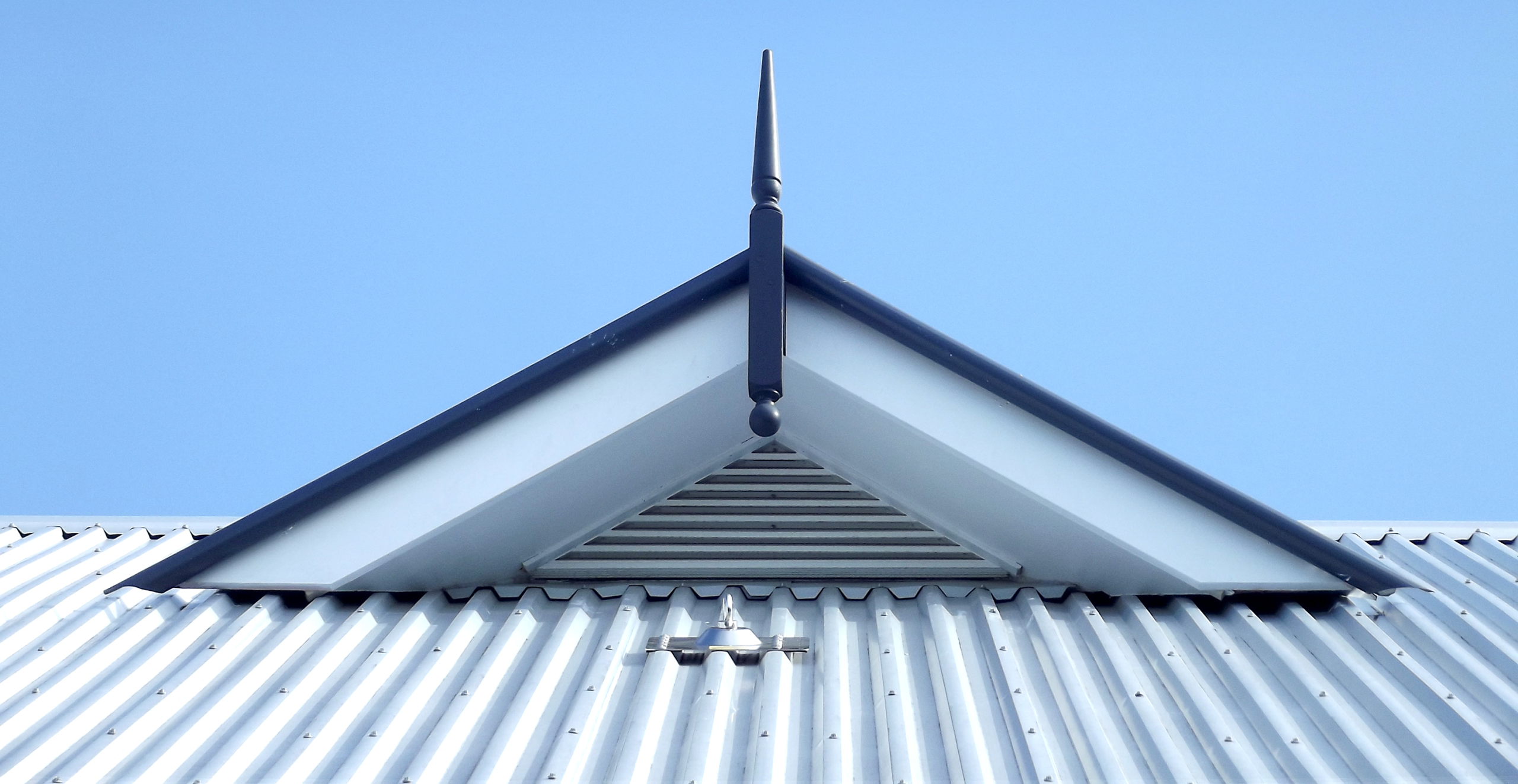
Commercial metal roofing looks straightforward from the ground. Big panels, clean lines, a few seams, and you are covered for decades, right? But in the real world, this is one of those systems where small decisions and tiny installation habits add up fast. There have been times when we have seen metal roofs that have performed wonderfully, but also times where a brand-new roof has had trouble right out of the gate due to the crew treating it as an ordinary roofing project rather than a construction system.
Here at T&H Construction, we handle commercial metal roofing like any other project that requires structural precision. This means relying on engineering, project management, and a mindset that does not leave out any details, because that is how we ensure that metal roofs do not become problematic down the road.
Metal Roofing Is Tough, But It Is Not Forgiving
Metal roofing has a lot going for it. It is durable, it handles temperature swings better than many traditional systems, and it can be a smart long-term value. But it is not forgiving when the installation is rushed or improvised.
A commercial roof is not just “put panels on and screw them down.” It is a system. Panels, fasteners, clips, underlayment, insulation strategy, ventilation, flashings, trim packages, and drainage details all have to work together. If one part is off, the roof can still look fine on day one, but performance starts slipping over time. Leaks show up at penetrations. Fasteners back out. Oil canning becomes noticeable. Condensation becomes a surprise problem no one planned for. And the worst part is, those issues can be expensive to chase down after the fact.
Experience is what keeps those problems from being built into the roof in the first place.
The Difference Starts Before We Ever Touch The Roof
A lot of “roof problems” are really planning problems. If the building layout, roof slope, drainage plan, and penetration locations are not thought through early, the installation team ends up making field decisions on the fly. That is where shortcuts creep in.
When we run commercial metal roofing projects, we do not treat the pre-construction phase as paperwork. We treat it like the first part of the build. We confirm what system is being installed, how it is supposed to be assembled, what the manufacturer’s requirements are, and what the building needs in real life. Middle Tennessee weather has its own personality, and we plan for that.
Here is the kind of thinking that matters before install day:
- We check the roof slope and water pathing, because water always wins if it is allowed to sit.
- We plan penetrations and equipment locations carefully, because most leaks start where something breaks the plane of the roof.
That is the stuff that looks boring until it saves you a ton of money.
Details That Separate Experienced Crews From “We Do Roofing Too”
We can usually tell how a metal roof is going to perform by looking at the details. Not the big open field of panels. The edges, the transitions, the penetrations, the terminations, and the way flashing is built. That is where experience shows up.
Fasteners, Clips, And Movement Are A Big Deal
Metal expands and contracts. If the roof is not designed and installed to handle that movement, it finds a way to relieve stress. That can mean warped panels, noisy popping, fasteners loosening, or seams that no longer stay tight. An experienced commercial crew understands when floating clips are needed, how to keep things aligned without locking the system down incorrectly, and how to avoid “fighting” the material.
Flashing Is Not A Side Task
Flashing around curbs, skylights, vents, pipes, and wall transitions is not just trim work. It is waterproofing work. It needs the right shapes, the right sealants in the right places, and the right overlaps. We have seen well-intentioned installs fail because someone relied on sealant as the primary defense instead of using proper water-shedding details. Sealant is important, but it should support the system, not replace it.
Trim, Closures, And Terminations Keep Wind And Water Out
Rake edges, eaves, ridge caps, and closures are not just for looks. They control wind-driven rain, uplift, and the little entry points that turn into bigger issues later. On commercial buildings, wind exposure can be no joke. If the perimeter detailing is weak, the roof is always playing defense.
Project Management Matters More Than People Think
Even the best installers can be slowed down by bad scheduling, missing material, unclear scopes, or last-minute changes. That is why we run our projects with disciplined project management. It keeps the job moving in the right order and keeps everyone working from the same plan.
When a commercial metal roofing job is managed well, it feels smoother. Deliveries arrive when they should. Crews are not waiting around. Details do not get skipped because someone is trying to “make up time.” And the building owner gets clearer communication, not vague answers.
We care about the roof, obviously. But we also care about the experience of getting it installed. That is part of doing professional work.
Real-world Problems We Help Customers Avoid
A lot of commercial clients call us after they have already dealt with a roof that disappointed them.
Perhaps it is leaky spots where pipes and vents penetrate the roof membrane, or it could be rusty seams around cuts that occur prematurely. Perhaps there are insulation and condensation problems, or maybe it is an ongoing issue that simply requires constant maintenance. It might even be noisy or wavy with visible imperfections.
When we take on a metal roofing project, we focus on preventing the most common failure points:
- We reduce leak risk by treating penetrations and transitions like the main event, not an afterthought.
- We protect long-term performance by keeping the system aligned, properly fastened, and properly terminated so it can handle movement and weather.
That is the practical side of experience. It is not a buzzword. It is knowing where metal roofs fail, and building in a way that makes those failures a lot less likely.
What To Look For When You Are Hiring A Commercial Metal Roofing Contractor
If you are comparing bids, we get it. Price matters. But commercial metal roofing is not the place to shop on price alone. The cheapest roof can get very expensive if it turns into a cycle of repairs, disruptions, and interior damage.
We recommend asking a contractor questions that reveal experience, not just confidence. Ask how they handle penetrations. Ask what they do to plan for expansion and contraction. Ask how they manage water flow and drainage. Ask what their process is for quality control during install, not after.
If the answers feel vague, or if everything sounds like “we have always done it this way,” that is a red flag. A real pro can explain the why behind the work in plain language.
Let’s Talk About Your Roof Before Problems Show Up
If you are planning a new commercial metal roof, replacing an older system, or dealing with issues that keep coming back, we can help you get a clear path forward. Our pros deliver structurally sound solutions through engineering precision and disciplined project management, and we bring that same standard to commercial metal roofing across Middle Tennessee. Call us at T&H Construction at (615) 562-0847 and let’s talk through your building, your goals, and what it will take to get a roof that holds up the way it should.

