
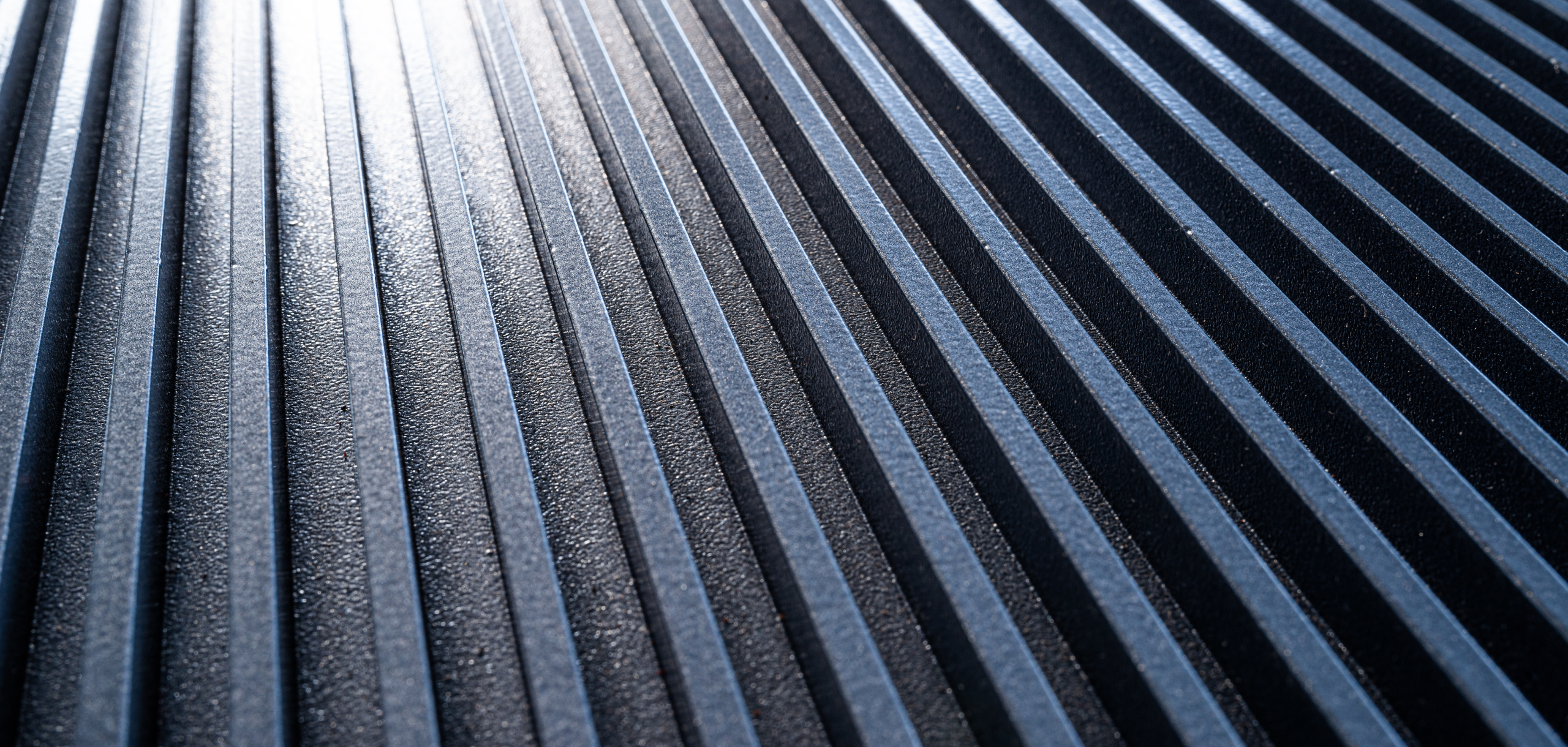
Corrugated metal roofing has this funny reputation. Some people picture old barns or sheds, and that’s it. But in real life, I’m seeing more homeowners ask about it for houses, workshops, cabins, detached garages, and even covered porches. And honestly, I get why. It’s tough, it sheds water fast, it can handle a lot of weather, and it has a clean, straightforward look that works with more styles than people expect.
At T&H Construction, we’re a full-service construction company, so we look at a roof the way it actually behaves, not just how it looks from the street. We care about structure, load paths, fastening schedules, ventilation, and the small details that keep a roof from becoming a problem five years later. Corrugated metal can be a really smart option, as long as it’s installed the right way and matched to the right building.
What “Corrugated” Really Means (And Why It Matters)
Corrugated metal roofing is metal panel roofing that has repeating ridges and valleys. Those waves aren’t just for looks. They give strength to the panel, helping it to be able to cover across purlins or decking without oil-canning as readily and making it less flexible from the pressure of the wind. This design also assists in draining the water towards the eave rapidly; therefore, a corrugated panel is quite effective in heavy rains.
There are many names of roofs; for instance, there is a tendency to call any metal roof by its general name, while corrugated is one of the metal roof profiles. There is a standing seam metal roof, which is also efficient, although it differs from corrugated metal. Corrugated is usually cheaper and more convenient for installation, especially for outbuildings.
Why Homeowners Like Corrugated Metal Roofing
When someone asks me if metal roofing is “worth it,” I usually ask what they’re trying to solve. If the goal is a roof that’s durable and low maintenance, corrugated metal checks a lot of boxes.
Here are a few reasons it’s popular:
- Durability and weather resistance. Metal doesn’t rot, it doesn’t crack the way some materials can, and it holds up well against wind and rain when the system is installed correctly.
- Fast water shedding. The panel shape and the smooth surface help water move off the roof quickly, which matters during those Middle Tennessee downpours.
That said, no roof is magic. Most “metal roof problems” I get called about aren’t because metal is bad. It’s because of shortcuts: wrong underlayment, skipped closures, bad flashing at a wall tie-in, or fasteners that weren’t installed correctly.
The Most Common Questions I Get (And The Real Answers)
“Is corrugated metal loud when it rains?”
It can be, but it depends on what’s under it. If we’re putting corrugated metal over solid decking with proper underlayment and an attic space with insulation, the sound is usually a non-issue. If it’s installed over open framing on a barn or pole building with no insulation, you’ll hear more of the rain. That’s not a dealbreaker for most people; it’s just about expectations and design.
“Will it rust?”
Quality panels are coated to resist corrosion. The bigger issue is cutting and handling. If metal shavings are left on the roof, or if panels are cut in a way that burns the coating, you can create future rust points. We keep an eye on those details, because that’s where roofs age early.
“What about condensation?”
This is a real one, especially in shops, garages, and enclosed barns. Warm, moist air meeting a cool metal surface can create condensation. The fix is planned: proper ventilation, the right underlayment, and, in some cases, adding insulation or a condensation control layer. When we approach it like a building-science problem instead of guessing, it’s very manageable.
“Can I put corrugated metal over shingles?”
Sometimes, yes. But I don’t treat it like a default “sure, why not.” We need to look at the roof deck condition, how flat everything is, the added weight, and how we’ll fasten the system properly. In a lot of cases, a tear-off is the cleaner long-term choice because it lets us inspect the decking, fix any hidden damage, and build a roofing system we can stand behind.
The Details That Make Or Break A Corrugated Metal Roof
Corrugated metal roofing is pretty forgiving visually, which is why sloppy installs can hide in plain sight. But water always finds the weak point, and wind always tests the edges first.
When we install or replace a roof, I’m paying attention to things like:
Fasteners and washers. Exposed-fastener corrugated systems rely on screws with sealing washers. If they’re over-driven, the washer can deform. If they’re under-driven, they don’t seal. If they’re placed wrong, they can leak. Simple in theory, easy to mess up in the field.
Closures and foam closures. It should not forget about closures that protect eaves and ridges against wind-driven rains, pests, and debris. In case you decide to omit these elements, it will be the first thing that will require you to call back for the service.
Flashing work. There are areas where roofs have either life or death; chimneys, sidewalls, valleys, pipe penetration, and transition zones are among them. For corrugated metal roofs, there should be proper flashing and correct overlaps so that water cannot go upward during rainstorms.
Underlayment and ventilation. Underlayment is not “extra.” It’s part of the system. Same with ventilation, especially in conditioned homes. We plan for both because we want the roof to perform year-round, not just look good on install day.
Is Corrugated Metal Right For Your Home In Middle Tennessee?
In Middle Tennessee, we get heat, humidity, heavy rain, occasional ice, and storms that can bring wind. Corrugated metal can handle that environment well, but the roof pitch, the building use, and the surrounding trees all matter.
I usually recommend corrugated metal most confidently when:
- The roof lines are fairly simple,
- The homeowner wants a durable roof without fuss, and
- We can detail the edges and penetrations cleanly.
If someone wants a more hidden-fastener look or a higher-end architectural finish, we may talk about other metal profiles, too. The goal isn’t to force a product. It’s to match the roof to the building and the budget, then install it with discipline and precision.
Let’s Talk About Your Roof Before It Becomes A Bigger Project.
When it comes to corrugated metal roofs, be it new installation, repair, or restoration after leaks, rusting, loose fasteners, or old age, I am ready to offer my professional assistance and advice in solving any roofing problem. We are an engineering company with excellent project management skills and a great attitude towards clients. Call us at T&H Construction in Middle Tennessee at (615) 562-0847, and let’s talk through your roof and what makes the most sense for your home.

